Norco Indie One 2010
2010 Urban
Estimate price |
1,020$
Weight | 11.3 kg 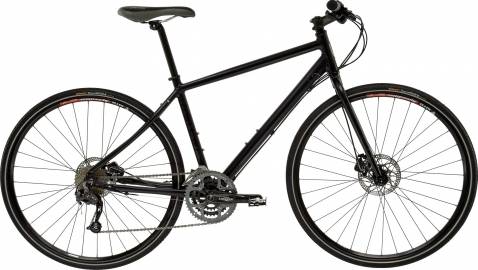
Bike details
Overview
Key information split into simple groups.
Bike summary
-
 Category
 -
 Frame Aluminum
 -
 Wheels 700c
 -
 Groupset SLX, Deore
 -
 Suspension Rigid
 -
 Drivetrain 3 × 9
 -
 Brakes Mechanical Disc
Parts list
Components
Main components, grouped by system.
Bike components
Frame
Frame
Double butted 7005 w/chainstay disc mount
Suspension Fork
Alloy straight blade fork w/chromo steerer
Rear Shock
N/A
Drivetrain
Rear Derailleur
Shimano SLX RD-M662 black
Front Derailleur
Shimano Deore FD-M590
Shift Levers
Shimano Deore SL-M590 9speed
Cassette
Shimano CS-HG50 11-32T 9speed
Crank
Shimano Deore FC-M590 48/36/26T black
Bottom Bracket
Shimano HollowTech II
Chain
KMC HG73
Chain Tensioner
N/A
Pedals
Wellgo alloy body w/alloy cage
Wheels
Front Hub
Shimano Deore HB-M595 black 32h
Rear Hub
Shimano Deore FH-M595 black 32h
Rims
WTB SpeedDisc 700c
Spokes
Butted stainless black w/brass nipples
Tires
Continental TownRide 37c w/Breaker & Reflex
Brakes
Brakes
Shimano Deore BL-M575
Brake Levers
Shimano Deore BL-M575
Cockpit
Stem
Norco 3D forged stem black
Handlebar
Double butted alloy 15mm riser bar
Grips
Dual density
Headset
FSA TH-848 Semi-cartridge
Seat
Saddle
Urban stealth saddle
Seatpost
Lateral Clamping Seatpost
Fit data
Geometry
Numbers for sizing and ride feel.
| Size | 14.5" | 16" | 18" | 20" | 22" |
|---|---|---|---|---|---|
| Bottom Bracket Height | 280 mm | 280 mm | 280 mm | 280 mm | 280 mm |
| Front Center | 625 mm | 624 mm | 633 mm | 632 mm | 657 mm |
| Top Tube Length | 559 mm | 569 mm | 579 mm | 589 mm | 614 mm |
| Seat Tube Angle | 74 ° | 74 ° | 74 ° | 73 ° | 73 ° |
| Seat Tube Length | 365 mm | 412 mm | 459 mm | 510 mm | 562 mm |
| Head Tube Angle | 69.5 ° | 72 ° | 72 ° | 72 ° | 72 ° |
| Head Tube Length | 100 mm | 120 mm | 140 mm | 160 mm | 180 mm |
| Chainstay Length | 449 mm | 449 mm | 449 mm | 449 mm | 449 mm |
| Wheelbase | 1068 mm | mm | 1075 mm | 1074 mm | 1100 mm |
| Standover Height | 710 mm | 752 mm | 794 mm | 836 mm | 876 mm |
| Wheels | 700 | 700 | 700 | 700 | 700 |
About this model
Indie One is a Norco Indie model. There are 88 bikes that carry this model name. Check out the entire range from 2010 of this model, by clicking this link.
Model range prices
Norco Indie Three 2010 is the most economical model, with a starting price of 445$. Norco Indie One 2010 on the other hand costs 1020$, and is the most expensive model.
Safety
Your safety is a top priority so always wear a helmet when you ride your bike. Moreover, wear the right clothing. You want to be visible to other drivers, so avoid wearing dark clothing.
Average price for General Urban bikes
If you want to purchase a solid General Urban bike, it is important to know that the average cost is 499$. However, even if your budget is less than the average, you might still be able to get a top-quality General Urban bike. In short, before purchasing your ideal bike do some research about its components, and also check for reviews online.
This bike was released in 2010 and its price was 1020$. Comparing this to the average General Urban bike price, we see that the price is 104.41% more expensive.
General Urban bikes average weight
General Urban bikes have an average weight of 13.11 kg (28.9 lbs). An easier bike will give you a big advantage in climbs. However, a heavier bike can gain speed when you descend.
With a weight of 11.3 kg (24.91 lbs), Norco bike is much lighter than average. To sum up, it’s 16.02% lighter than the average weight of General Urban bikes.
Overview of components
Fork material
The fork is made out of aluminum, which doesn’t add too much extra weight to the bike. However, it is not so stiff as steel or carbon forks are.
Wheels size
The Indie One 2010 bike is equipped with 700c aluminum wheels when leaving the factory. These are the most popular wheels for road, aero, gravel, cyclocross, race, and gravel bikes. However, while they give you great speed and control, these wheels are not so bump-friendly.
Brakes
Nothing is more important on a bike than its ability to brake properly. Norco Indie One is equipped with Mechanical Disc brakes. They are much easier to maintain than hydraulic disk brakes. However, they don’t have the stopping power of hydraulic brakes.